news
The Consumer Humanoid Robot Market Explodes: What You Can Buy in 2026
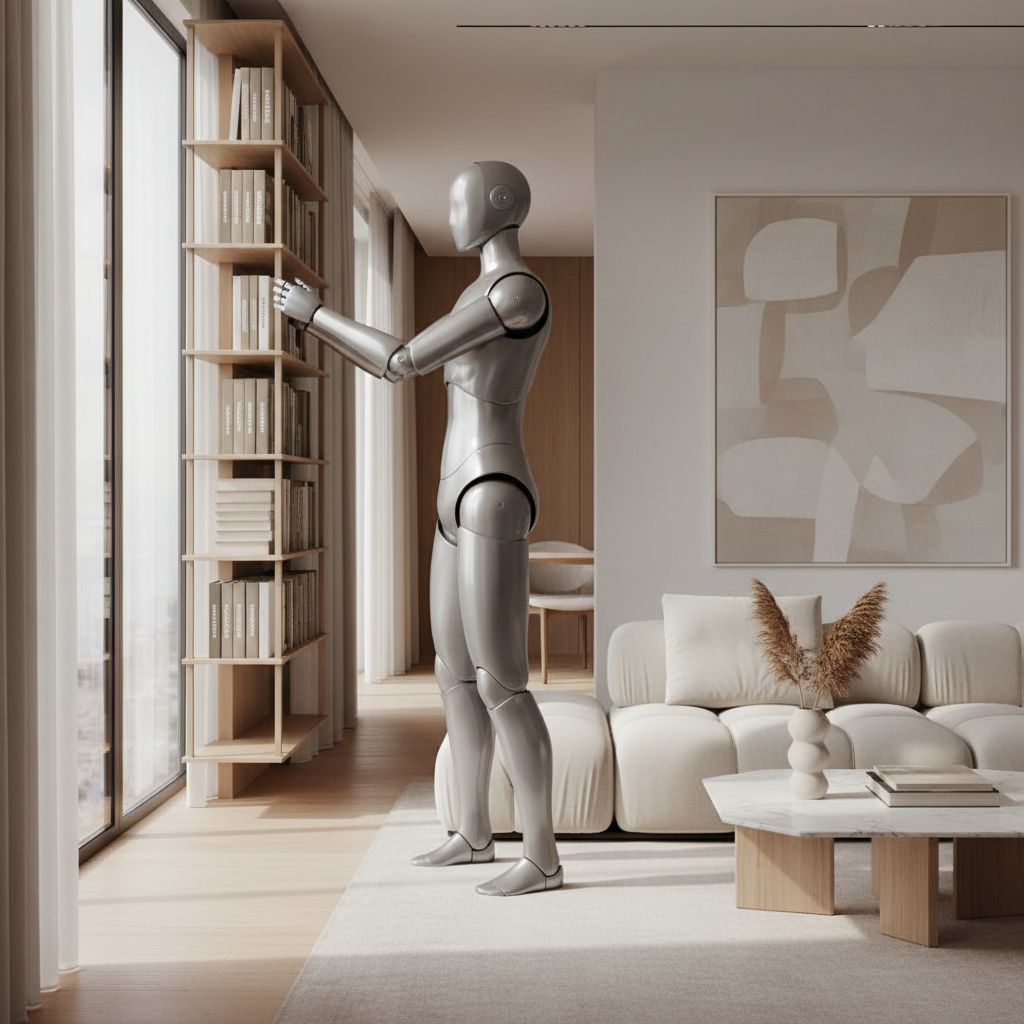
For the first time, consumers can purchase humanoid robots for home use. 2026 marks the transition from science fiction to reality as multiple companies launch consumer-focused robots with affordable price points.
For decades, humanoid robots have been a science fiction dream. In 2026, that dream is finally becoming accessible to everyday consumers. For the first time, you can actually buy a humanoid robot for your home. ## The Consumer Robot Revolution The shift from industrial-only to consumer-available humanoid robots happened faster than most predicted. What started as billion-dollar research projects just years ago is now becoming a consumer product category with real competition and reasonable pricing. ## What's Available Now Several companies are launching consumer humanoid robots: - **1X NEO**: Designed for domestic assistance and elderly care - **Boston Dynamics Spot** (mini version): Home automation and monitoring - **Tesla Optimus** (retail variants): General household tasks - **Chinese manufacturers**: Affordable options entering Western markets Each targets different use cases—from household assistance to elderly care to security monitoring. ## Price Points and Accessibility Early consumer pricing ranges from $20,000 to $50,000, depending on capabilities. This is expensive by consumer standards but represents a dramatic reduction from industrial pricing and research costs. Lease and rental options are also becoming available. ## What These Robots Actually Do Consumer humanoid robots in 2026 handle: - Household chores and basic cleaning - Elderly and disability assistance - Home monitoring and security - Interactive companionship - Simple task automation They're not perfect, and they're not replacing humans, but they provide real utility for specific use cases. ## The Adoption Curve Early adopters are primarily: - Elderly individuals who need assistance with mobility or daily tasks - Tech enthusiasts willing to experiment with cutting-edge products - Wealthy homeowners using them as status symbols - Families caring for disabled family members ## Market Projections Analysts project that consumer humanoid robot ownership could reach millions of units globally within the next 5-10 years as prices fall and reliability improves. The total market size could exceed tens of billions annually by 2035. ## Challenges Ahead Consumer humanoid robots still face significant challenges: - High upfront costs limiting market - Reliability and warranty concerns - Safety questions in family homes - Limited autonomous capability compared to marketing claims - Support and repair infrastructure not yet mature ## The Bigger Picture The availability of consumer humanoid robots represents a major inflection point in robotics history. We're transitioning from "could humanoid robots ever work?" to "how do we price and support them for mass consumer adoption?" For robotics enthusiasts and those who need assistance, 2026 is finally the year to consider ownership.Read More
Original Source →