news
AI Companion Robots Become Mainstream: The Rise of Emotional Support Robotics
As humanoid robots improve their AI interaction capabilities, a new category emerges: companion robots designed specifically for emotional support, conversation, and mental wellness.
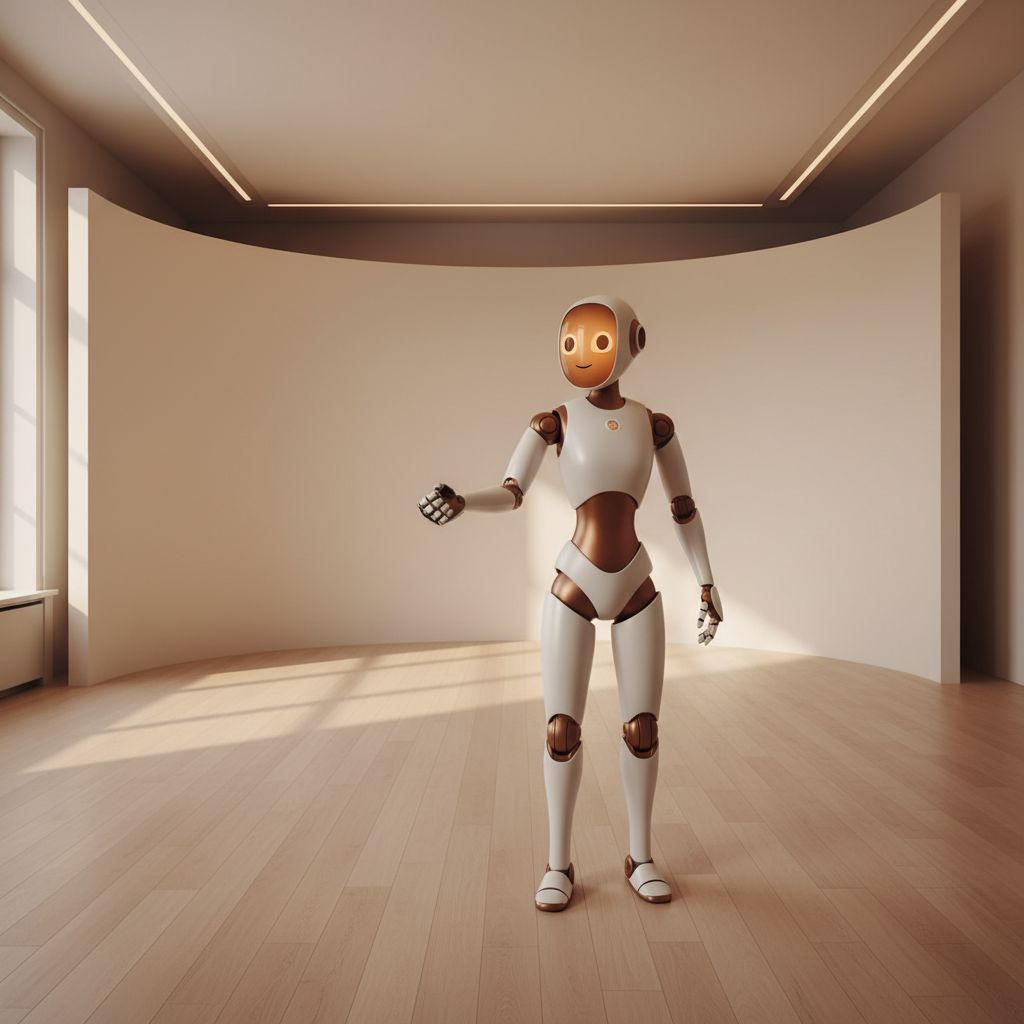
A significant new category of consumer robots has emerged in 2026: AI companion robots designed not to do tasks, but to provide emotional support, conversation, and companionship. ## Beyond Task Automation Traditional robotics focused on accomplishing physical tasks. Companion robots take a different approach—they're optimized for interaction, conversation, and emotional connection rather than physical capability. These robots use advanced language models and emotional AI to engage in meaningful conversations, remember details about their owners, adapt to personality preferences, and provide genuine companionship. ## Who Benefits Most Primary users include: - **Elderly individuals**: Combating isolation and loneliness - **People with social anxiety**: Practicing interaction in a low-pressure environment - **Individuals with autism spectrum disorder**: Predictable, non-threatening social interaction - **People with depression or anxiety**: Daily companionship and conversation - **General consumers**: Curious about AI-powered social robotics ## Emotional AI Breakthroughs Recent advances in emotional AI enable companion robots to: - Recognize emotional states from voice and behavior - Respond with appropriate empathy and support - Remember conversation history and personal details - Adapt their personality to match user preferences - Learn from interactions to improve over time ## The Mental Health Question Mental health professionals have mixed views: - **Positive view**: Robots can reduce isolation and provide daily structure - **Cautious view**: Robot companionship shouldn't replace human connection - **Practical view**: For isolated individuals with no other options, robots provide real value Research is ongoing into whether robot companionship supports or hinders mental health. ## Social and Ethical Considerations Companion robots raise important questions: - Should robots be designed to form emotional bonds? - What happens if someone becomes overly dependent? - How do we ensure robots don't replace needed human care? - Privacy and data security for intimate conversations ## Growing Market The companion robot market is growing rapidly, with companies like Intuition Robotics, other startups, and major tech companies entering the space. This category is less price-sensitive than task-focused robots—people are willing to pay for genuine companionship. ## The Future of Robotics Companion robots represent a shift in how we think about robots. Rather than just doing tasks for us, robots are becoming social entities that interact with us emotionally. This could reshape how we address loneliness and isolation in society. For many, especially isolated seniors, companion robots aren't a luxury—they're a lifeline.Read More
Original Source →